What We Do
GXO ServiceTech
Fully managed reverse logistics for electronic goods
Test. Refurbish. Repair. Asset Recovery.
Returned electronic goods pose a particular challenge for retailers, manufacturers and insurance providers. Testing, repackaging, refurbishing and repairing all take time and resources. With industry return rates reaching 40%, and customer expectations ever increasing, you need a smarter, simpler and faster approach to processing electronic goods.
GXO ServiceTech is a leading specialist in reverse logistics for electronics retailers, manufacturers and insurance providers, with multiple sites across the UK and Europe.
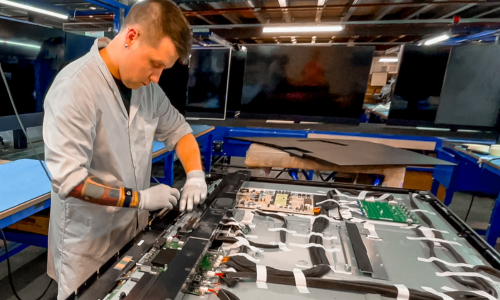
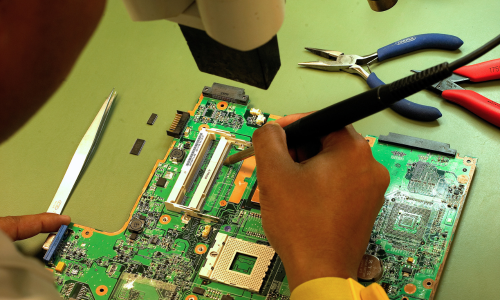
We provide an end-to-end service offering for a wide range of consumer electronics, including laptops, TVs, displays, mobile and gaming devices, as well as home appliances. All designed to increase efficiencies and maximise the full life value of your products.
- Repairs, upgrades, and refurbishment
- Data cleansing and safe disposals
- Customer service call centres
- Warranty management
- Warehousing
- Logistics
- Accreditations
- Re-selling
With unrivalled expertise in the consumer electronics service sector, we specialise in B2B returns, B2C services and onsite services. With operations in the UK and Europe, we provide a complete service offering that is backed by extensive manufacturer accreditations and GXO’s network.
GXO ServiceTech is the new name for the businesses formerly known as RepairTech, Servicecare, CE Repair Services and Service Control.
Ecommerce stores
To purchase refurbished electronic goods or spare parts, click here.
Customer portal
To book or track a repair with CE Repair Services (now GXO ServiceTech) click here.
Ecommerce stores
To purchase refurbished electronic goods or spare parts, click here.
Customer portal
To book or track a repair with CE Repair Services (now GXO ServiceTech) click here.
Returns Management
We can create a central returns solution for all your electronic goods. This dedicated hub means everything can be processed in one place, for easy auditing and fewer delays.
Our team automatically checks for completeness of goods, inbound damage, packaging and warranty status. Allowing you to quickly identify what rework is needed to guarantee you the highest level of return.
Warranty Fulfillment
We offer a range of cost-efficient, integrated services for leading manufacturers and retailers. Our bespoke warranty fulfillment solutions take care of courier exchange, repair and telephone support.
So, you can manage a wide range of customer in-home requirements from a central base. In Benelux, this also extends to in-home services. This reduces costs, improves response times and ensures consistently high standards at every stage.
Accreditations
Our accreditations with leading manufacturers are second to none. This ensures your customers receive accredited repairs, using genuine parts and approved software and diagnostic tools.
Waste Electrical and Electronic Equipment Services (WEEE)
Waste products and goods that have reached their end-of-life status can be an additional drain on resources. We have the necessary permits to undertake preparatory treatment of waste, securely store hazardous/non-hazardous waste and repair and refurbish WEEE (Waste Electrical and Electronic Equipment). This complete solution ensures your business always meets the requirements of current legislation and provides total traceability.
Asset Recovery
Many retail business models work on a Bought-Out Guarantee (BOG) and/or a No Returns Agreement (NRA). We help to support retailers through this process by refurbishing tech products and consumer electronics to ‘as new’ or ‘graded’ standard.
This allows you to resell items through your own channels, white label eBay stores featuring your brand, or our own branded ecommerce store